
International collaboration is essential to building ethical supply chains and protecting worker rights across global industries. In May, FNET marked its 10th anniversary and brought together ethical trade experts, suppliers, and international partners to share insights, strengthen relationships, and drive collective action.
Representatives from the Egyptian Suppliers Ethical Trade Forum and the Spanish Ethical Trade Forum joined FNET colleagues for a week of supplier site visits across the UK, and colleagues from the Sustainability Initiative of South Africa also joined FNET members at FNET’s anniversary event. These supplier visits were arranged and supported by Co-op. The result was a powerful reminder that shared learning, honest dialogue and trusted partnerships are essential to strengthening ethical trade across global agriculture.
Supplier Site Visits: Turning Shared Learning into Practical Action
The week began with farm and packhouse visits in Kent, with FNET members BerryWorld and dps. At one of BerryWorld’s supplier sites, a farm specialising in strawberries and raspberries, they explored how workers are recruited through the UK’s Seasonal Worker Scheme and how staff welfare is supported in practice. The visit included a tour of the farm, worker accommodation and staff facilities, alongside discussions on harvesting operations, recruitment processes, and the range of worker wellbeing services provided. In the afternoon, the group visited dps and packing facilities at their service provision partner Integrated Services Solutions (ISS). During this visit, they learnt about ISS’s unique worker empowerment programme designed to enhance leadership development, peer-to-peer recognition, and senior leadership team engagement through quarterly, whole company town hall meetings.
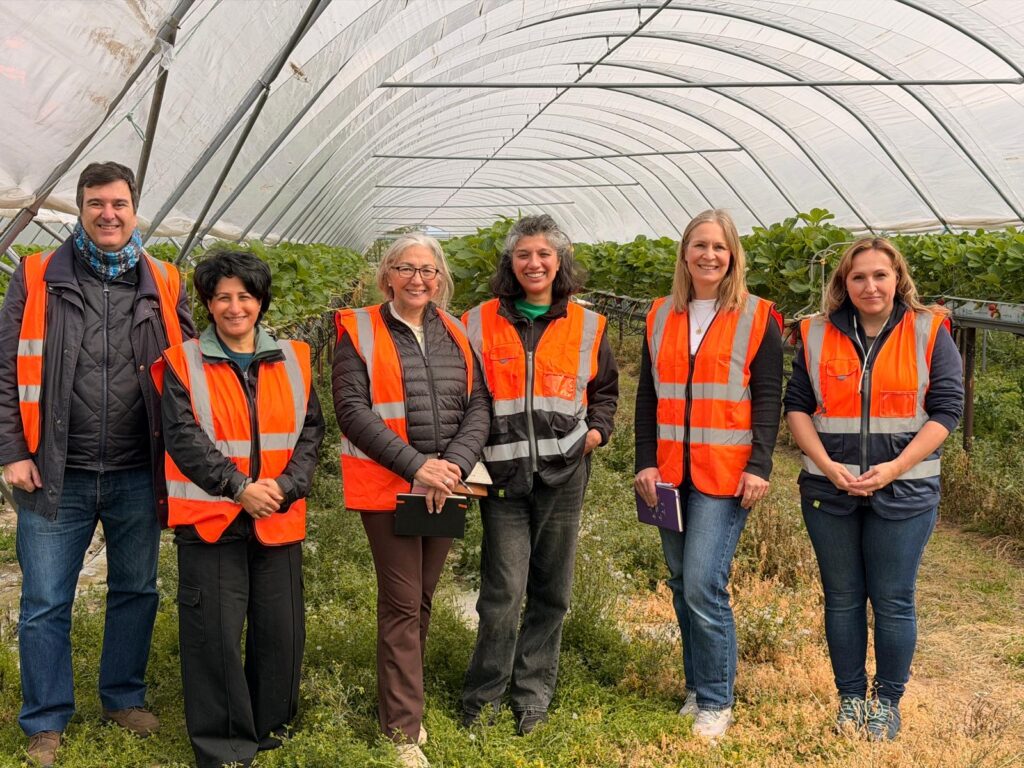
On the second day, Dole UK arranged for the group to spend time with Rumwood Green Farm, part of the Charltons group of farms. It gave the opportunity to learn more about Dole UK’s strategic partnerships. The site tour included a visit to the R&D site showing how innovation can have positive impacts on worker welfare and the environment, and a visit to the worker accommodation and packhouse operations. The group received insights into HR and health and safety management, helping to see the progress first-hand, and bringing to life the scale of planning and coordination needed to provide safe, well-managed facilities for a large seasonal workforce.
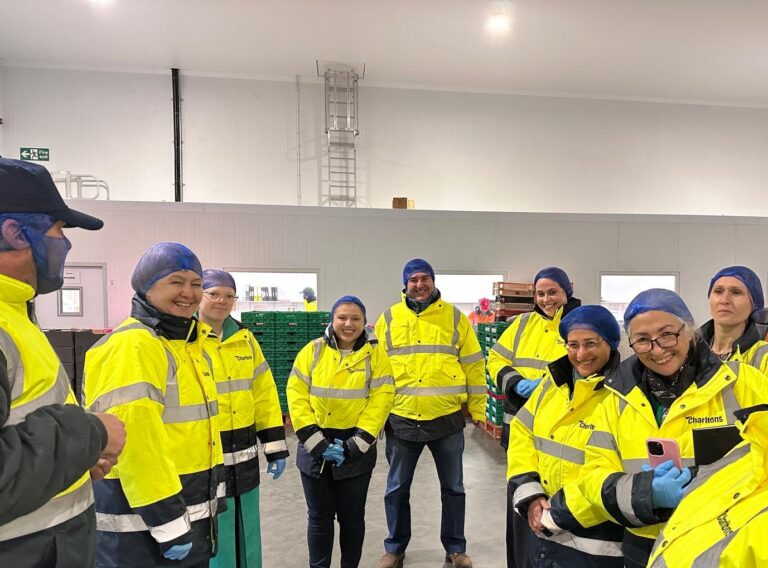
The final site visit took place at FNET member G’s Fresh farming, processing and packing facilities in Ely, Cambridgeshire, where the group explored the Seasonal Worker Scheme in greater depth. Discussions covered hostel management, labour provision and responsible recruitment, as well as the practical mechanisms in place to support worker wellbeing. The visit offered valuable insight into how suppliers are addressing complex challenges on the ground and how shared learning can help raise standards across the wider sector.
"This trip reminded me why this work matters so deeply to me. Standing on the ground with FNET's UK suppliers, I watched how seasonal workers are recruited and cared for, and I heard suppliers speak honestly about what still isn't working. When I returned home, my message to the Egyptian suppliers was simple: we are not alone in facing seasonal workers’ challenges. What sets us apart isn't the size of the problem — it's the courage and care with which we choose to face it, together"
Manal Saleh
We would like to say a huge thank you to BerryWorld, Dole, DPS and G’s Fresh for hosting Manal and Sergio, Aisha Aswani, and FNET and Sedex colleagues, and for sharing their time, expertise and practical experience.
Celebrating 10 Years of FNET Through Global Collaboration
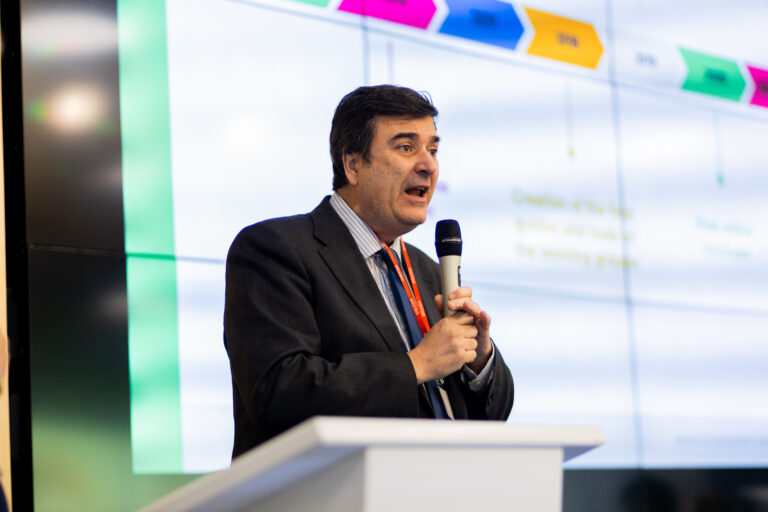
FNET’s 10th anniversary celebration also created space for international partners to share their experiences with members. Aisha Aswani from Co-op, Manal, Sergio and Retha from SIZA presented on the supplier forums in Egypt, Spain and South Africa, highlighting both the challenges facing their sectors and the progress that can be made through collaboration.
The Egyptian Suppliers Ethical Trade Forum
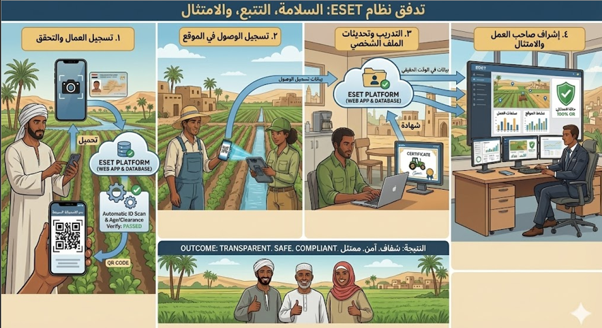
Manal shared insight into the salient risks affecting suppliers in Egypt, including freedom of association, child labour and young workers, excessive working hours, women’s empowerment, and health and safety. She also highlighted the challenges the forum faces and the achievements it has delivered through collaborative action, including a preview of ESET’s digital platform designed to support workers. Find out more about the Egyptian forum here.
The Ethical Trade Forums, Spain
Sergio outlined the key social challenges affecting Spain’s agri-food industry, including labour shortages, skills and qualifications, working hours, product pricing and customer requirements. He also explored how environmental pressures, particularly climate change and water management, are shaping the sector. As part of the anniversary celebrations, Sergio shared milestones from the Spanish forums’ journey since 2015. Find out more about the Spanish forum here.
“Our organisations share a closely aligned vision of promoting improved working conditions and more environmentally sustainable practices within the agri-food sector. Generating a dialogue based on true trust has always been our key to success. We have shared goals, honestly, we have learned with and from FNET, to listen and to build alliances and strategies around common objectives… I believe that we have managed to find in them one of the best travel companions, someone you can always rely on.”
Sergio Barberá, excerpt from FNET's anniversary report
Sustainability Initiative of South Africa
Retha Bekker from the Sustainability Initiative of South Africa (SIZA) presented on the salient risks facing agriculture in South Africa and explained how SIZA supports members to identify and mitigate them. These risks include climate and environmental pressures, market access and export requirements, logistics and infrastructure constraints, ethical and compliance risks, and rising input costs. For more information about SIZA see here.
Why International Collaboration Matters for Ethical Trade
International collaboration is central to FNET’s work because many of the most pressing risks in global supply chains are systemic. No single organisation, supplier or country can solve them alone. By working with trusted partners, sharing practical experience and learning from different contexts, FNET and its members can better understand risks and support improvements that benefit workers throughout the supply chain.
The anniversary week showed what this looks like in practice: people from around the world coming together, listening to one another, asking difficult questions and sharing solutions. As FNET looks ahead to the next decade, these partnerships will remain vital to building more responsible, resilient and worker-centred supply chains. Find out more in our anniversary report.