
According to International Labour Organization (ILO) estimates, every day, 6,300 people die as a result of occupational accidents or work-related diseases – more than 2.3 million deaths per year. Another 317 million workers sustain non-fatal injuries, particularly in hazardous industrial sectors such as agriculture and construction. The economic burden of poor occupational safety and health practices is estimated at 4 per cent of global GDP each year.
In the UK, despite accounting for only 1% of the working population, agriculture accounts for nearly 20% of all deaths in the workplace. Each of these numbers is not just a statistic – it is a personal tragedy. Life is never the same again for family members left behind after a work-related death, or for those looking after someone with a long-term illness or serious injury caused by their work.
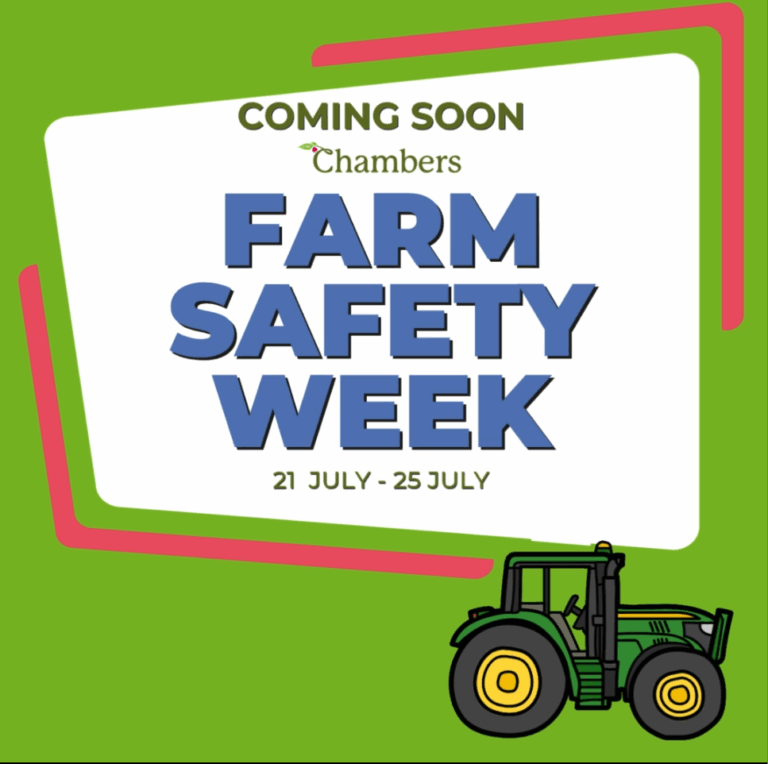
This year’s Farm Safety Week runs from 21-25 July in the UK. Set up and run by The Farm Safety Foundation (Yellow Wellies), this week is a crucial tool for raising awareness about safety on the UK’s farms.
We know how dangerous it can be to be an agricultural worker, and we, like so many others, are trying to make sure that agriculture is made as safe as possible for workers.
Why farm safety is critical in UK agriculture
According to the latest report and figures from the UK Government’s Health and Safety Executive (HSE), the risk to workers in the agriculture, forestry, and fishing sectors is disproportionately high. Shockingly, the annual average of fatal injuries is roughly 21 times the all industry rate, and the risk of injury is also disproportionately high.
The latest HSE report estimates that the total annual cost of injuries (in farming, forestry and horticulture) to society is £190 million. Around two-thirds of this cost is due to reportable injuries (£130 million), with fatalities accounting for around another third (£55 million). The report highlights that the main causes of death include being injured by an animal, falling from a height, being struck by an object, being struck by a moving vehicle, or contact with machinery.
There are many more injuries that do not result in death. Less than half of reportable injuries to workers across all industry sectors are reported each year, but the level for agriculture, forestry and fishing is much lower. Surveys suggest that of those injuries to workers in agriculture (the most serious), which should be reported by law, only 16% are actually reported! UK HSE estimates that there could be as many as 10,000 unreported injuries in the industry each year. Each unreported injury involves a cost to the injured person and to the business.
Understanding farm safety risks in UK agriculture
There are so many different components to farm safety; some risks may be obvious and direct, and others much less so. And while people may typically think about accidents in the workplace, risks to workers include long-term illness, exposure to chemicals, and the impacts of climate change.
Another key aspect of improving farm health and safety is addressing mental health issues. Farming can be a lonely and isolating profession, with long hours spent working alone in remote locations. This can take a toll on farmers’ mental health, leading to increased stress, anxiety, and depression. DEFRA has developed a directory of resources to support Farmer mental health.
As temperatures continue to rise and more research is conducted, there has been a greater conversation about the risks of heat stress for agricultural workers around the world. Last year, the ILO published a shocking report outlining the increasing risks to workers posed by rising temperatures. The report highlights the risks and impacts of heat stress on workers and also the country-level responses. While some countries, including Spain, have been particularly vocal and proactive on the impacts of heat stress on workers, the UK still has work to do.
With heatwaves across Europe this year, the European Trade Union Confederation has highlighted ILO data that the EU has seen a 42% increase in heat-related deaths in the workplace since 2000. Much more needs to be done to protect workers from the risks of extreme heat in agriculture.
How are FNET members prioritising health and safety in UK farms?
Health and safety at Chambers
“Farm Safety Week falls in the middle of our busiest period of the year. During this time, it’s more important than ever to highlight the importance of health and safety and ensure it remains at the forefront of our teams’ minds.”
Kate Boxall, Health and Safety Manager, Chambers.
One of our members, Dole’s supplier Chambers, has prepared a full week of activities for this year’s Farm Safety Week. They are reaching workers via a Facebook group, Whatsapp groups, in-person talks, and handouts to promote activities on the following themes:
- Personal Protective Equipment – how and when to wear it.
- Manual handling – best practice and use of aids.
- Vehicle safety – information on operating vehicles and pedestrian safety.
- Reporting and speaking up – supporting workers to report accidents, near misses, and unsafe circumstances.
- Going home safely – discussions with people who have experienced a workplace accident.
Every day of Farm Safety Week, Chambers will share informational videos on these themes in English, Bulgarian, Ukrainian, Romanian, and Russian. They will also hand out pocketbooks on using lift trucks safely, and information on health and safety law. Throughout the week, managers and supervisors will spend some time each day highlighting the daily topic and sharing relevant information.
Health and safety in potatoes
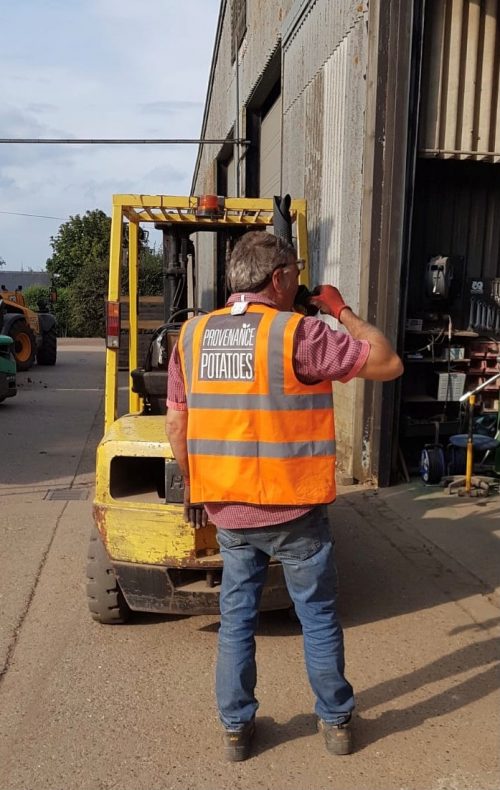
And our member Cook, has shared how their supplier Provenance Potatoes makes sure everyone remains safe all year round. At Provenance Potatoes, all of their farmers receive health and safety training through the National Farmers’ Union (NFU). Additionally, they have NFU audits at their packhouse, and regularly review their procedures to make sure they are operating at a high standard and are compliant. Every year, the team at Chislet Court Farms attends the NFU Pre-Harvest Workshop. These workshops cover core health and safety topics, such as farm risk assessment, falling objects, machinery maintenance, overhead powerline safety and contractor safety.
Ongoing initiatives for health and safety
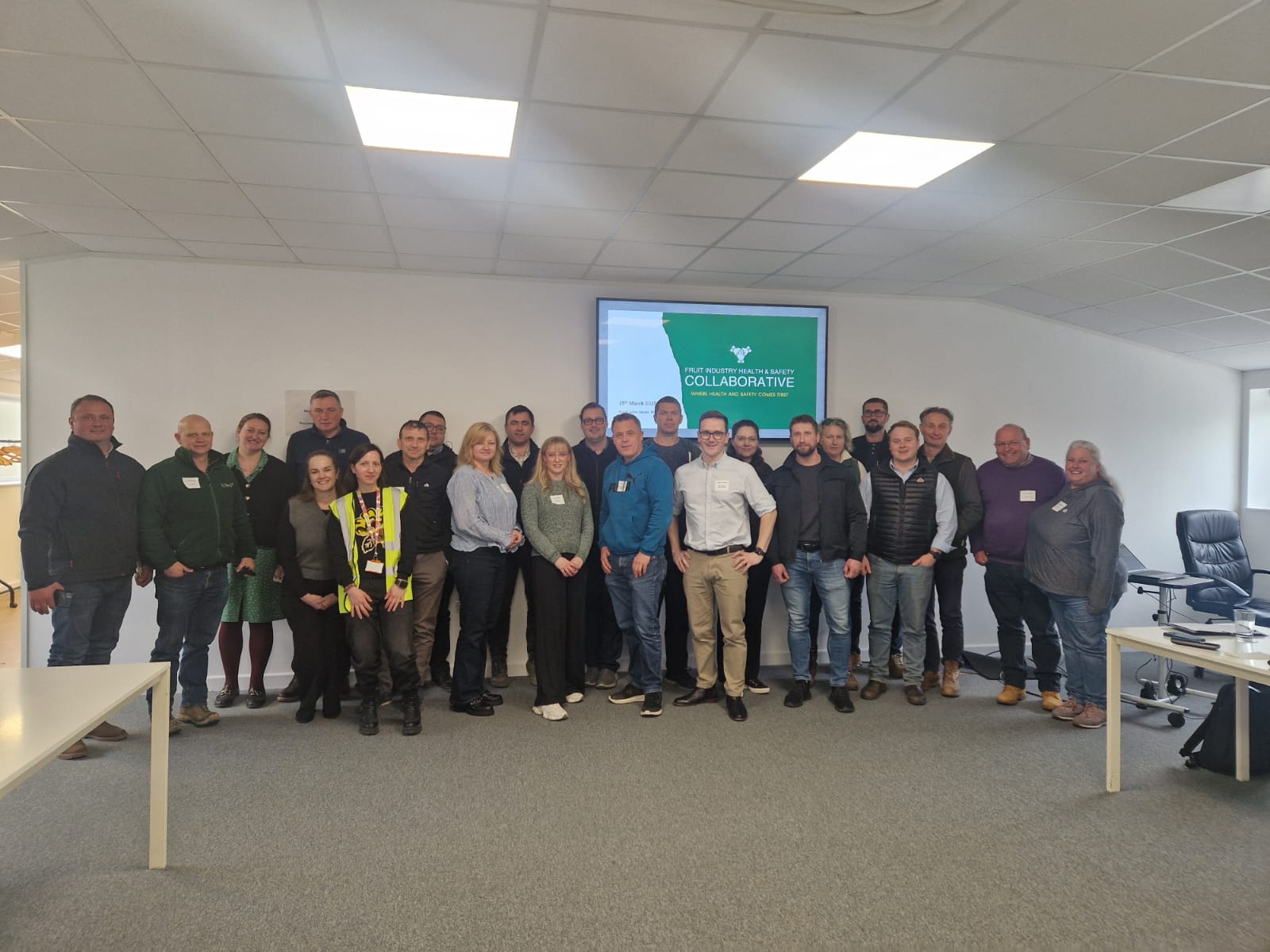
Some of FNET’s members take part in Hall Hunter’s Fruit Industry Health and Safety Collaborative. Every 6 months, this group brings together like-minded growers who are committed to working collaboratively to improve health and safety and embed best practice in the fresh fruit industry. We share experiences and industry best practices to support continual improvement. While still a new initiative, so far the group has covered topics such as managing risks of overhead powerlines, heat stress management, and mental wellbeing amongst farmers and growers. See their plans for Farm Safety Week here.
And beyond just the UK, FNET members are working in lots of countries and sectors on Health and Safety initiatives such as Moroccan Accommodation standards and Heat stress in Spain.
Everyone deserves to be safe at work, which is why Farm Safety Week is such an important initiative. Raising awareness about safety on farms in the UK and around the world is crucial. Here at the Food Network for Ethical Trade, we provide a safe space for members to come together, share challenges, and learn from each other as they find solutions. We can’t wait to hear more initiatives from members, their suppliers, and beyond this Farm Safety Week. Please do share this post on LinkedIn and get in touch!