
A human rights perspective
The Food Network for Ethical Trade is a membership organisation with nearly 80 members. We frequently have new members join, and they proceed through our “new member journey”, which we tailor to each individual member and their needs. Through this journey, they learn more about human rights in food supply chains, responsible sourcing in food, have access to FNET shared resources, and receive guidance and support from our ethical trade experts.
When a member has been part of the network for a year, we meet to discuss everything that they have learned since joining the network. We invite feedback so that we can improve our offering, and we ask members if they would be willing to take more responsibility within the network and share more about their experiences.
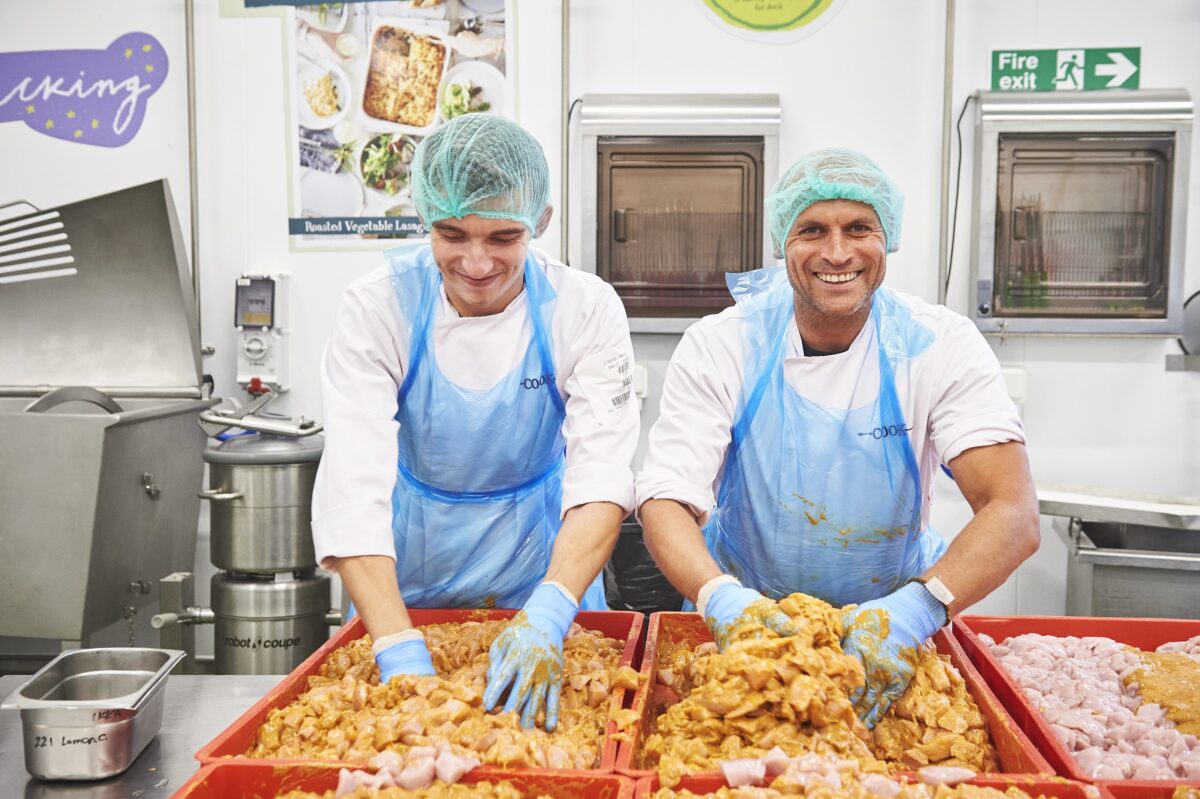
We are thrilled that our member COOK has agreed to share some perspectives on their first year of membership with FNET. It’s always so great to learn more about individual members’ experiences so that we can make sure everyone is getting the best out of their membership. We also want to make sure that members are engaging and working together to help us advance towards our overall vision of a fair, equitable and resilient food system where people are able to realise their human rights.
COOK’s reflections from one year of being a member of the Food Network for Ethical Trade
What prompted you to join the Food Network for Ethical Trade?
“I was the only person in my business working on human rights, with a ton of questions and nowhere to take them. I didn’t need more theory- I needed real people, real examples, and a space to sense-check what I was doing. FNET gave me exactly that: a place to learn, ask questions, and not feel like I was figuring it out alone.”
What three words describe how you’ve found the experience so far, and why?
“Grounding- It’s reassuring to know others are facing the same challenges.
Stretching- My membership pushed me to move beyond compliance and try new approaches.
Practical- You walk away with tried and tested ideas and tools you can actually use.”
Can you share a story about something you now do differently as a result of joining the network?
“I handle supplier issues differently now. In a recent case, I could’ve jumped straight to corrective actions but instead, I paused. I asked more questions, we explored the root causes together and ended up co-designing a solution. That more collaborative approach of less box-ticking and more relationship-building, came directly from insights I picked up through FNET.”
What do you see as the main benefits of being an FNET member?
“You’re learning from people who are actually doing the work, not just talking about it. You get access to helpful tools and sessions, but for me, the real benefit is the network itself. It’s full of generous, honest people sharing what’s working, what’s not, and what they’re still learning. It makes the work more effective and a lot less lonely.”
What advice would you give to prospective members?
“Go for it. You don’t need to be an expert. Just bring curiosity, honesty, and a willingness to learn from others who care about making real progress. If you’re in this space, FNET will sharpen your thinking and strengthen your work.”
—
We want to say a huge thank you to Ashleigh Horn and the whole team at COOK for being such active and engaged members. They recently contributed to our blog for Farm Safety Week, sharing activities from their supplier, Provenance Potatoes.
It’s been fantastic to see COOK’s progress over the past year, and we can’t wait to see them continue to progress their human rights work.
Interested to find out more about the Food Network for Ethical Trade?
If you’ve been inspired by COOK’s journey, and you’ve been looking for collaborative approaches to human rights in the food industry, then you’ve come to the right place. Don’t hesitate to get in touch if you’d like to find out more about how food businesses can support human rights, and to learn more about the benefits of joining an ethical trade network.
Interested in joining our network and improving human rights in your value chains? Get in touch today.